 Construction sites are some of the most dynamic and complex work environments in any industry. Crews work with heavy equipment, operate at heights, manage electrical systems, and coordinate multiple trades on tight schedules. With so many moving parts, it is no surprise that construction remains one of the industries with the highest rates of workplace injuries.
The good news is that many of the most common construction hazards are also the most preventable. With proper planning, training, and safety management, companies can dramatically reduce risk and create safer jobsites for everyone involved.
Below are some of the most common safety risks in New England construction projects and practical ways to prevent them.
Fall Hazards on Construction Sites
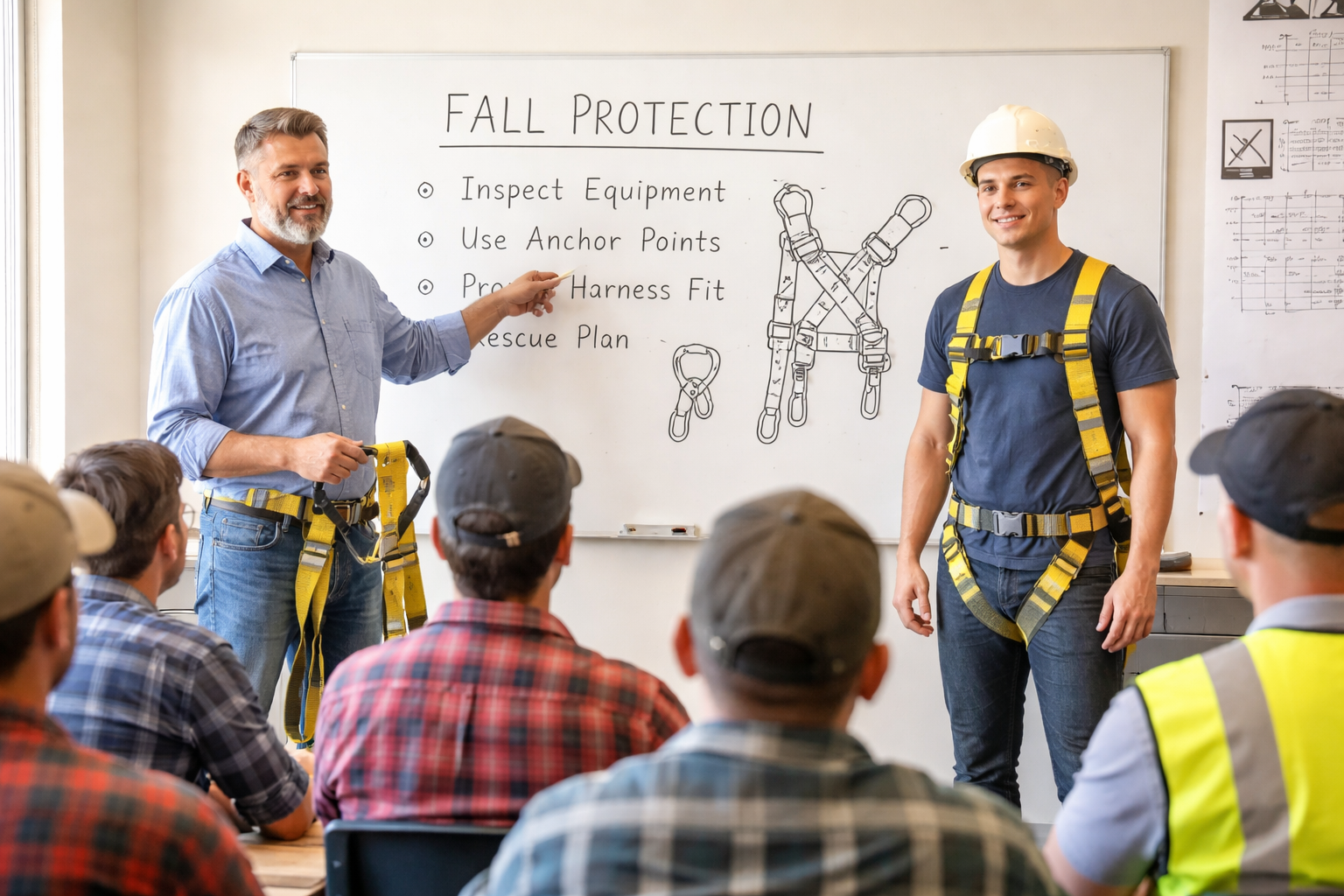
Falls remain the leading cause of serious injuries and fatalities in construction. Workers frequently operate on ladders, scaffolding, roofs, elevated platforms, and unfinished structures where proper fall protection is essential.
Even a relatively short fall can result in severe injuries. The risk increases when guardrails, personal fall arrest systems, or safe access points are missing.
To reduce fall hazards on construction sites, companies should:
- Install guardrails and fall protection systems where required
- Provide proper ladders and scaffolding that meet OSHA standards
- Train workers on fall protection procedures
- Conduct routine inspections of elevated work areas
A strong fall protection program is one of the most important elements of any construction safety plan.
Struck-By Hazards
Struck-by incidents occur when workers are hit by moving equipment, falling tools, or materials being lifted or transported. These incidents can happen quickly and often occur in busy work zones where multiple crews and machines are operating at the same time.
Common examples include falling building materials, swinging loads from cranes, or workers being struck by vehicles on the jobsite.
Prevention strategies include:
- Establishing clear equipment operating zones
- Requiring high-visibility clothing
- Securing tools and materials at elevated work areas
- Training workers to stay clear of suspended loads
Proper site coordination and communication between crews can significantly reduce struck-by hazards.
Caught-In or Caught-Between Hazards
Caught-in or caught-between incidents occur when workers become trapped between equipment, materials, or structural components. These hazards are often associated with trenching, heavy machinery, and material handling.
For example, a worker may become pinned between a vehicle and a wall, trapped in a collapsing trench, or caught in moving mechanical equipment.
Preventing these hazards requires:
- Following proper trenching and excavation safety practices
- Maintaining safe distances from heavy equipment
- Installing protective systems such as trench boxes or shoring
- Implementing lockout procedures for machinery
Careful jobsite planning and supervision are critical to preventing these dangerous incidents.
Electrical Hazards
Temporary power systems, exposed wiring, and overhead power lines create significant electrical hazards on construction projects. Electrical incidents can result in severe burns, shocks, or fatal electrocution.
Workers are especially vulnerable when electrical systems are installed during early construction phases or when power tools are used in wet environments.
To reduce electrical risks:
- Ensure proper grounding of equipment
- Inspect extension cords and power tools regularly
- Maintain safe distances from overhead power lines
- Train workers on electrical hazard awareness
Qualified electricians should handle electrical installations, and all workers should understand basic electrical safety principles.
Inadequate Safety Planning
Many construction accidents occur not because hazards are unknown, but because safety planning was incomplete or inconsistent. When safety procedures are unclear or training is insufficient, risks increase across the entire project.
Effective safety planning should include:
- Written safety programs
- Jobsite hazard assessments
- Safety training for workers and supervisors
- Regular safety meetings and inspections
A proactive approach to safety helps identify hazards before they lead to incidents.
How Parker Safety Group Can Help Improve Construction Safety
Creating a safer construction site requires more than good intentions. It requires expertise, planning, and ongoing support to ensure safety procedures are implemented effectively.
Parker Safety Group works with construction companies, contractors, and project teams to develop practical safety programs that reduce risk and improve compliance. From jobsite safety assessments and OSHA compliance support to safety training and program development, Parker Safety Group helps organizations build safer work environments and stronger safety cultures. Our sister company, LeadSMART Training, provides a number of live and virtual safety classes for Lead Paint abatement, CSL, Fall Protection, OSHA 10 and 30, Respirator Protection Training, Supported Scaffold Training, GHS, PPE, MEWPS and many more.
If your company is looking to strengthen its construction safety program, the experienced team at Parker Safety Group can help you identify risks, implement effective safety solutions, and keep your projects running safely and efficiently.